
The Downsides of AI Artistry
Wed Apr 02 2025 00:00:00 GMT+0000 (Coordinated Universal Time)
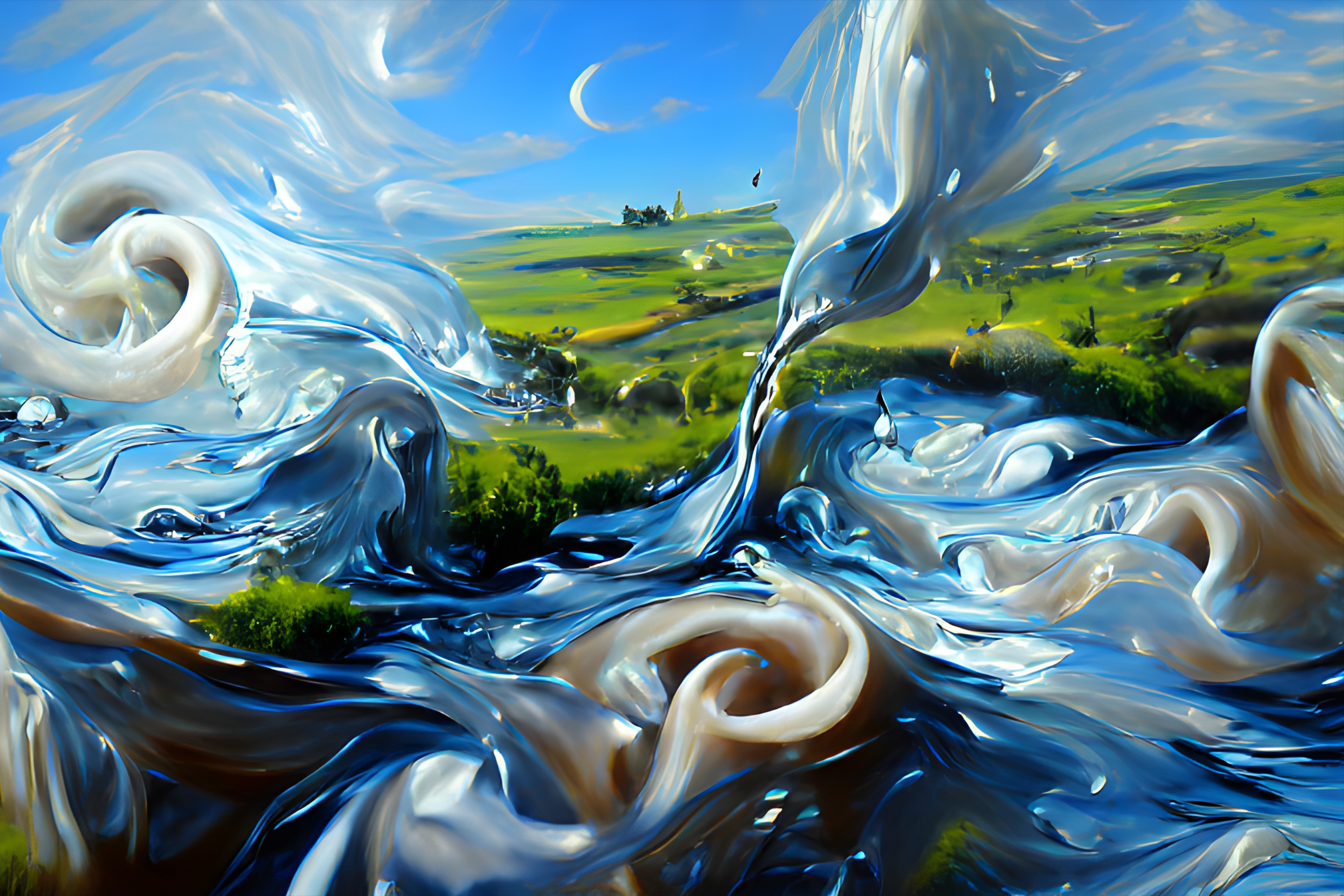
In recent years, the rise of AI-generated art has transformed the creative landscape. With just a few typed prompts, anyone can generate intricate, stylized images that mimic the work of trained artists. But as the technology rapidly evolves, it raises important questions about originality, authorship, and the future of human creativity.
The Authenticity Problem
AI art is trained on massive datasets of existing artwork, much of which comes from human creators—often without their knowledge or consent. This creates a murky ethical zone: who owns the output of a model trained on someone else’s style?
Job Displacement in Creative Fields
As AI tools become more accessible, companies are beginning to rely on them for marketing visuals, concept art, and even editorial illustrations. For freelance illustrators and graphic designers, this could mean a shrinking market and fewer opportunities to earn a living from their craft.
A Flood of the Familiar
While AI can generate visually appealing content quickly, its outputs often lack the depth, emotional nuance, or cultural context that come from lived human experience. There’s also growing concern that AI-generated visuals will oversaturate platforms with derivative or repetitive aesthetics, drowning out more original work.
Where Do We Go From Here?
The future of art may lie not in resisting AI, but in redefining how we value and support human-made creativity. This includes advocating for clear copyright protections, ethical AI training practices, and fostering communities where artistic experimentation thrives.
AI can be a tool—but it should never replace the artist.
Let me know if you want a spicier tone or something more visual with example prompts or comparisons.